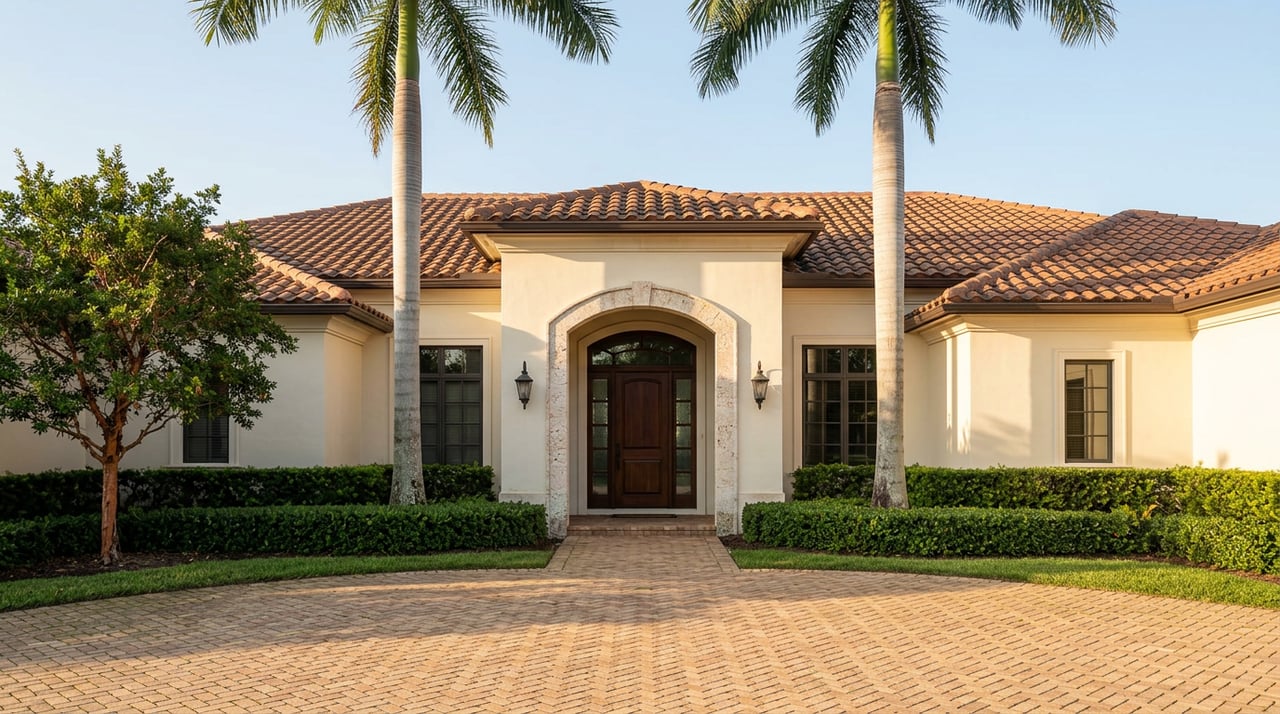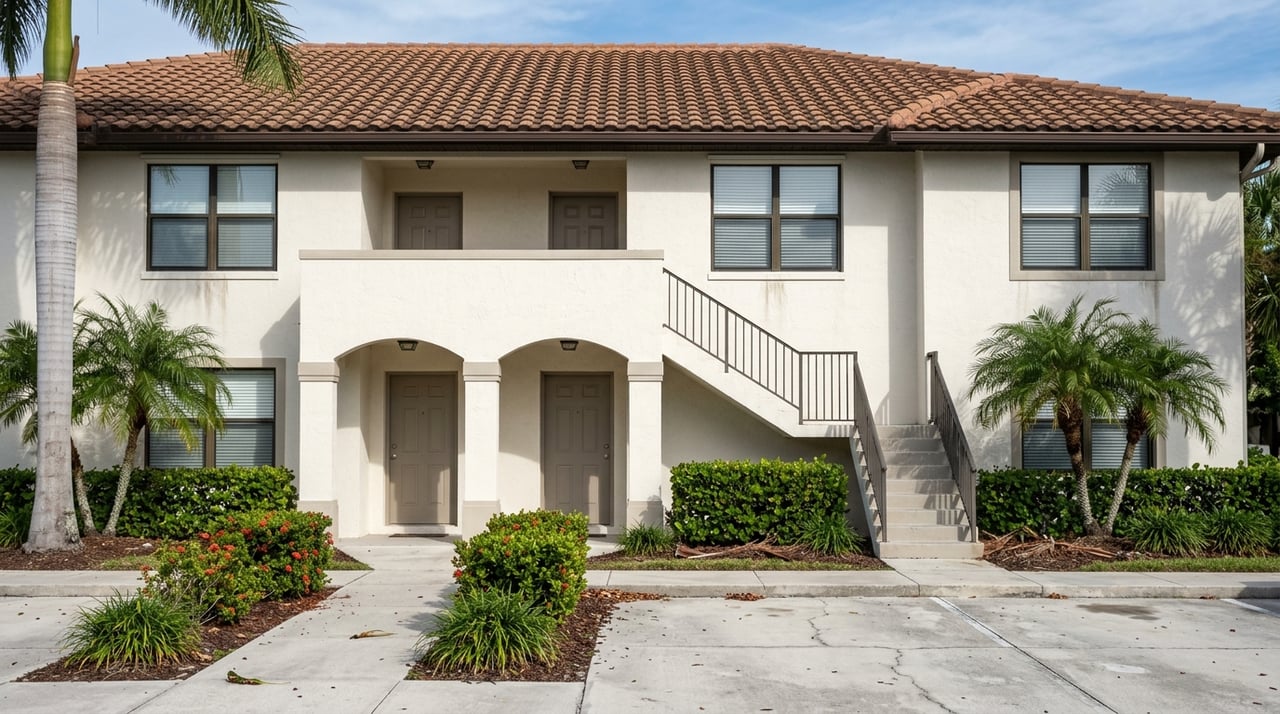
If you are looking at duplexes and fourplexes in Kendall, the opportunity can look simple on the surface: buy a small multi-family property, collect rent, and build long-term wealth. In reality, the numbers often work only when you stay disciplined about zoning, taxes, insurance, and realistic rent assumptions. This guide will help you understand what matters most before you make an offer in Kendall. Let’s dive in.
Why Kendall draws small investors
Kendall gives you a large residential base with a mix of owner-occupied housing and renter demand. The area has 30,158 households, a 62.2% owner-occupied rate, and a median household income of $87,325, according to U.S. Census data.
For rental investors, that matters because it points to a market with both long-term residents and a meaningful renter pool. Census data also shows a median gross rent of $1,905, while Zillow reported an average rent of $2,084 in late June 2026. Those figures can help frame your analysis, but they should not replace unit-by-unit rent comps.
Kendall is also a diverse market. Census figures show 67.4% of residents identify as Hispanic or Latino, 42.8% are foreign-born, and 67.6% speak a language other than English at home. For owners and landlords, that can make clear communication and bilingual marketing especially useful when leasing units.
Another local advantage is regional access. Miami-Dade says Metrorail runs from Kendall through South Miami, Coral Gables, downtown Miami, and Miami International Airport, with broader rail connections beyond the county. If your property is near transit, that can widen your potential renter pool.
Kendall pricing changes the math
Before you get excited about rental income, look at acquisition cost. Redfin reported a median sale price of $549,671 in Kendall for the three months ending May 2026, with homes selling in a median of 59 days.
That number is not specific to duplexes or fourplexes, but it still tells you something important. Buying in Kendall is not cheap, and higher purchase prices can squeeze cash flow fast if you overestimate rent growth or underestimate expenses.
This is why conservative underwriting matters. When rents are only moderately affordable relative to local incomes, and prices are elevated, small mistakes in your assumptions can have a big impact on returns.
Duplex vs. fourplex in Kendall
What duplex zoning means
In Miami-Dade County, RU-2 zoning allows two-family duplex buildings or two separate buildings. RU-2 requires a minimum lot area of 7,500 square feet and allows maximum lot coverage of 30%.
For you as a buyer, that means a listing description alone is not enough. You need to confirm the actual parcel zoning and lot details before assuming a property can legally function as a duplex.
What fourplex zoning means
RU-3 zoning allows up to four families in one building on one lot. Miami-Dade states that RU-3 also limits lot coverage to 30% and uses 25-foot front and rear setbacks, 20-foot interior side setbacks, and 25-foot side-street setbacks.
That makes fourplex opportunities more specialized. Even when a property appears to have multiple units, you still need to verify that the parcel legally permits that use.
Why parcel verification matters
Zoning in Miami-Dade is parcel-specific. Before you move forward, verify the folio in the county Land Management map rather than relying on marketing language, tax records alone, or seller assumptions.
This is one of the biggest checkpoints for small multi-family investing in Kendall. A property that looks like a great deal can become a costly problem if the use is not legal.
Illegal unit risk is real
Miami-Dade actively enforces against illegal multi-family use in unincorporated areas. The county defines this as subdivision into separate living units beyond what zoning permits, and it says violations can lead to tickets and liens.
The county also notes that the Property Appraiser may retroactively assess property taxes for up to three years once a violation is verified. For you, that means due diligence should include permit history and code-enforcement research, not just financial analysis.
If a property has extra kitchens, added entrances, garage conversions, or nonconforming layouts, pause and investigate. The safest approach is to confirm what is legal before you underwrite projected rent from every unit.
Rent assumptions should stay conservative
A common mistake in small multi-family investing is using one rent number for an entire area. Kendall does not support that kind of shortcut.
Census data shows median gross rent at $1,905, and Zillow showed an average rent of $2,084. On top of that, HUD’s FY 2026 small-area schedule shows major differences in 2-bedroom benchmarks across the broader market, including $2,610 in ZIP code 33176, $2,910 in 33186, and $3,000 in 33196.
The takeaway is simple: comp by exact ZIP code, bedroom count, parking, and condition. A renovated two-bedroom with good parking may perform very differently from an older unit with dated finishes or limited access.
It also helps to remember affordability. At the Census rent level, monthly rent equals about 26% of Kendall’s median household income before utilities, which is close to common affordability thresholds. That is another reason to avoid aggressive rent projections.
The expenses that usually decide the deal
Property taxes after closing
Miami-Dade’s tax estimator is a better starting point than the seller’s current tax bill. The county says its estimates are based on adopted 2025 millage rates, include ad valorem and non-ad valorem assessments, and are only approximations.
The county also warns that taxes can rise after a sale if the prior owner had an exemption or assessment cap that no longer applies. If you underwrite using the current owner’s bill alone, your cash flow projection may be too optimistic.
Flood and insurance costs
Even inland properties deserve flood review in Miami-Dade. The county says heavy rain can overwhelm drainage quickly, and flood-zone status should be checked address by address.
The county also notes that flood insurance is required for federally backed mortgages in a Special Flood Hazard Area. In unincorporated Miami-Dade, participation in the CRS program as a Class 3 community can provide up to a 35% discount on flood insurance premiums. Still, the key point is that insurance should be modeled parcel by parcel.
Repairs and reserves
Florida law requires landlords to maintain structural components in good repair. That includes roofs, windows, doors, floors, porches, exterior walls, foundations, and plumbing.
For a duplex or fourplex, this means reserve planning should never be an afterthought. Even a small property can produce big surprise costs if deferred maintenance shows up after closing.
Vacancy and turnover
No property stays 100% occupied forever. You should budget for vacancy, leasing time, turnover work, and management, even if you plan to self-manage.
In a market with substantial purchase prices, one extended vacancy or a few large repairs can change your annual return quickly. Stress-testing these costs is often more important than chasing a perfect cap-rate headline.
Florida rules every owner should know
Florida landlord-tenant law affects day-to-day operations. The landlord must comply with building, housing, and health codes and maintain structural components in good repair.
For a single-family home or duplex, some duties may be altered in writing. For dwellings other than a single-family home or duplex, the statute also requires reasonable provisions for pest control, locks, common areas, garbage removal, and heat and water.
The law also provides a 7-day notice process for landlord noncompliance and a 3-day notice for nonpayment of rent. If you are comparing a duplex to a fourplex, these operational differences are worth understanding before you buy.
A simple cash-flow framework
You do not need a complicated spreadsheet to screen an opportunity. A strong first-pass model looks like this:
- Scheduled rent × occupancy = effective gross income
- Effective gross income - operating expenses = NOI
- NOI - debt service = cash flow
- Annual cash flow ÷ total cash invested = cash-on-cash return
This framework is simple, but it works because it forces discipline. It also helps you compare multiple Kendall properties on the same basis.
Your Kendall underwriting checklist
Before making an offer on a duplex or fourplex in Kendall, focus on the questions that usually matter most:
- Is the parcel zoned for duplex or fourplex use?
- Does the permit history match the current layout?
- Are there any code-enforcement issues?
- What does the flood map show for this address?
- What will property taxes likely be after the sale?
- Are your rent assumptions supported by nearby comparable units?
- Have you budgeted for repairs, vacancy, turnover, and insurance realistically?
These checks may not feel exciting, but they are what protect your downside. In small multi-family investing, avoiding one bad purchase can matter more than finding one flashy deal.
Final thoughts on investing in Kendall
Kendall can make sense for small multi-family investors who value stable residential demand, regional access, and long-term holding potential. But this is a market where the details matter, especially zoning, legal use, tax resets, insurance, and realistic rent comps.
If you want to invest wisely here, think like an operator first and a speculator second. The best duplex and fourplex opportunities are usually the ones that still make sense after conservative assumptions, local verification, and a clear plan for ownership.
If you are exploring duplexes or fourplexes in Kendall and want hands-on local guidance, connect with Adrian Gonzalez for personalized, bilingual support on sourcing, evaluating, and marketing small multi-family opportunities in Miami-Dade.
FAQs
What makes Kendall attractive for duplex and fourplex investing?
- Kendall offers a large residential base, meaningful renter demand, regional transit access, and household income levels that can support steady leasing when rent assumptions stay realistic.
What zoning should you check for a Kendall duplex or fourplex?
- In Miami-Dade, RU-2 generally allows duplex use and RU-3 allows up to four families in one building on one lot, but you should verify the specific parcel before moving forward.
Why is illegal unit verification important in Kendall?
- Miami-Dade enforces against illegal multi-family use, and violations can lead to tickets, liens, and possible retroactive tax assessments.
How should you estimate rent for a Kendall small multi-family property?
- You should compare nearby rentals by ZIP code, bedroom mix, parking, and condition instead of relying on one area-wide average.
Why can property taxes change after buying in Kendall?
- Miami-Dade warns that a prior owner’s exemptions or assessment caps may fall off after a sale, which can increase the new tax bill.
Do inland Kendall properties still need flood review?
- Yes, Miami-Dade says heavy rain can overwhelm drainage quickly, so flood-zone and insurance review should be done address by address.
What is a simple way to analyze a Kendall duplex or fourplex deal?
- Start with effective gross income, subtract operating expenses to get NOI, subtract debt service for cash flow, and then calculate cash-on-cash return based on total cash invested.