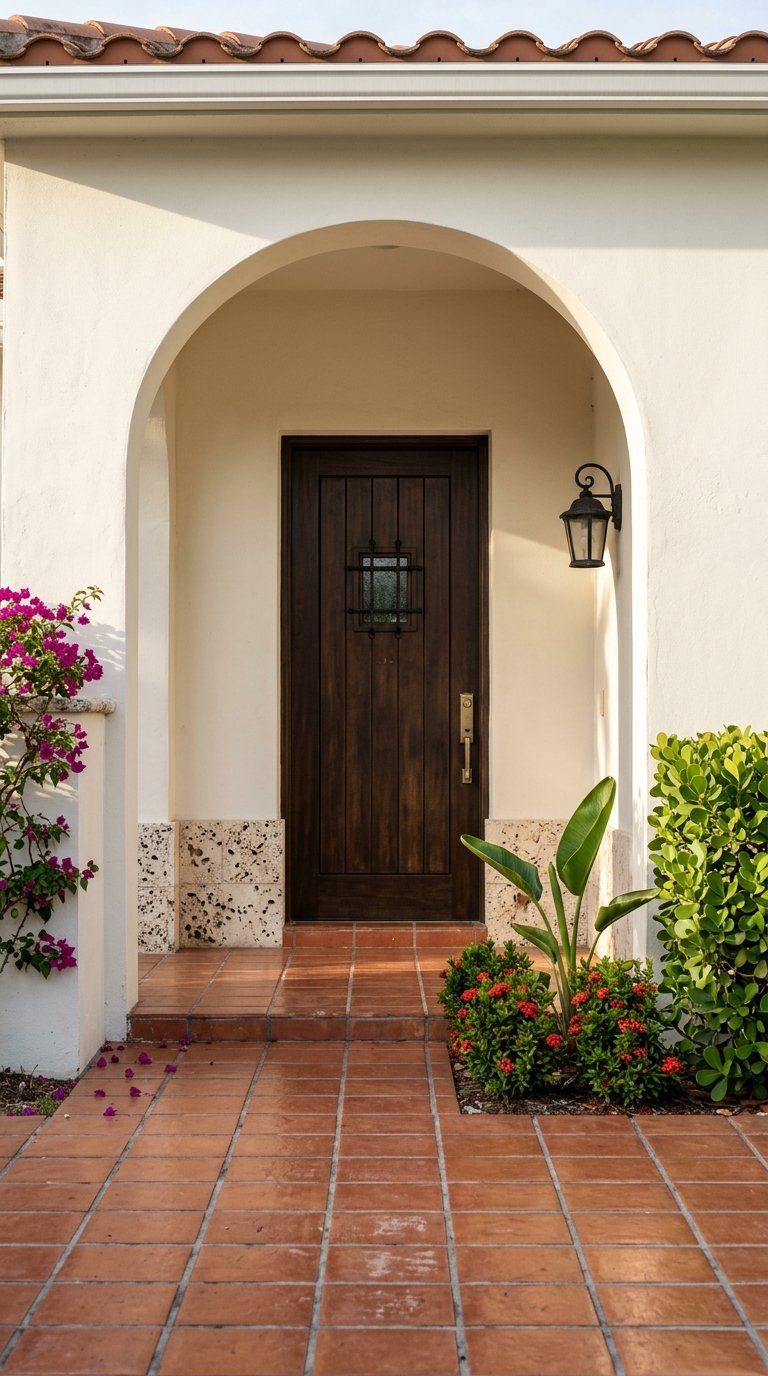
Thinking about selling a historic Coral Gables home? It can be a rewarding move, but it rarely works like a standard resale. Buyers often ask more detailed questions, the city may require extra review for certain changes, and your paperwork matters more than usual. If you know what to expect before you list, you can avoid delays, present the home well, and move through the sale with more confidence. Let’s dive in.
Why historic Coral Gables sales feel different
Coral Gables has a formal historic preservation program through its Historical Resources and Cultural Arts Department. The city says more than 1,000 properties are listed on the Coral Gables Register of Historic Places, which shows how seriously local preservation is handled.
That matters to you as a seller because a historic home is not just another property on the market. Its designation status, prior approvals, and exterior changes can all shape how you prepare the home, answer buyer questions, and manage your timeline.
If you are unsure how your property is classified or what rules may apply, Coral Gables historic preservation staff offer plan review appointments on Mondays and Wednesdays from 9 a.m. to 12 p.m. That can be a practical first step before listing or before starting any pre-listing work.
Confirm your home’s historic status
Before you do anything else, confirm whether your property is a designated local landmark or located within a historic landmark district. Buyers will often want this clarified early, and it affects what kind of changes may require review.
You should also gather any records that show how the home has been treated over time. That can include prior renovation approvals, Certificates of Appropriateness, permit history, and any historical significance materials tied to the property.
Understand pre-listing repair rules
If your home is a designated local landmark or sits in a historic landmark district, Coral Gables zoning rules say that no building, structure, improvement, landscape feature, or archaeological site may be erected, altered, restored, rehabilitated, excavated, moved, reconstructed, or demolished until a Certificate of Appropriateness has been submitted and approved.
In simple terms, exterior work can trigger review before you list. Even if your goal is just to freshen up the property, changes to visible features may need more planning than you expect.
When a Certificate of Appropriateness may matter
The city’s rules say exterior alterations, additions, and demolitions to noncontributing structures or properties within historic landmark districts are reviewed by the Historic Preservation Board and or the Historical Resources Department. That means the scope of your work matters, even when the project seems minor.
The Certificate of Appropriateness application is detailed. The city asks for items such as the building address, historic name, district name, owner and contractor information, work category, variance information, and supporting materials like site plans, floor plans, elevations, photos, surveys, and color or material samples.
The application also will not be scheduled unless it is complete. The applicant or a representative must attend the hearing, and a Board of Architects recommendation must be obtained before Certificate of Appropriateness submission.
Why small exterior changes can affect timing
Coral Gables says its Board of Architects evaluates compatibility of color, materials, fenestration, and proportion. The board meets every Thursday, and the city requires a tree survey and tree protection plan for Development Review Committee and Board of Architects submissions and for demolition permits.
For sellers, the practical takeaway is simple: work that touches the front elevation, roofline, landscaping, or trees can become schedule-sensitive. A paint choice, exterior material update, or landscape change may involve more coordination than a typical pre-listing project.
Expect a longer prep timeline
Historic homes often need more lead time before they hit the market. Based on the city’s application rules and review steps, sellers should assume that historic review can add coordination time compared with a standard resale.
Part of that timeline depends on city meeting dates, not just your contractor’s availability. Coral Gables also states that standard and special Certificates of Appropriateness expire after two years if no building permit is issued, unless the certificate says otherwise.
If you plan ahead, that extra process does not have to derail your sale. It just means your listing prep should begin earlier, with enough room for document collection, review appointments, and any approval steps tied to pre-sale improvements.
Build your property file before listing
One of the smartest things you can do is assemble a complete property file before your home goes live. Historic home buyers tend to look closely at documentation, and having it ready can reduce friction during due diligence.
Try to gather:
- Closed permits and final sign-offs
- Certificate of Appropriateness approvals
- Board or variance approvals
- Renovation records
- Surveys, plans, and exterior material records
- Historic tax exemption documents, if applicable
- Preservation-related correspondence
- Historical significance letters or archival photos, if available
Coral Gables’ Development Services FAQ specifically references buyer interest in verifying that permits are properly closed out. That makes permit history and final completion records especially useful when you are preparing for buyer questions.
Be ready for buyer due diligence
Historic home buyers in Coral Gables often look beyond price and layout. They may ask what work was approved, whether all permits were closed properly, and what changes may still be possible after closing.
This is where your records can help the sale feel smoother. Clear documentation gives buyers more confidence and can help prevent uncertainty from slowing negotiations.
Questions buyers often ask
You should expect questions like these:
- Is the home locally designated?
- Is it a contributing property within a historic district?
- What renovations were approved in the past?
- Were all permits properly closed out?
- Are there preservation-related restrictions on future changes?
- Has the home received a historic tax exemption?
- Is there any covenant tied to prior approved work?
If you can answer these questions early and clearly, you make the property easier to evaluate. That can improve the overall showing and negotiation experience.
Know how tax exemption paperwork affects the sale
If the home has used the historic property tax exemption, buyers may want to review that paperwork carefully. In Coral Gables, the city’s application says Part I must be filed before construction and Part II after substantial completion, and a covenant must be signed if the exemption is approved.
Miami-Dade County says the exemption is intended to encourage rehabilitation and maintenance. It applies only to the increase in value created by qualifying work, not to all taxes, and it generally lasts 10 years.
For a seller, this means the exemption is not just a nice detail to mention. It is a specific program with its own documentation, and buyers may want to understand both the benefit and the ongoing maintenance expectations tied to the property.
Present the home without over-modernizing it
When you sell a historic Coral Gables home, the goal is usually not to make it look brand new. The better approach is often to let the architecture, materials, and craftsmanship lead the story.
Historic preservation guidance supports preserving historic materials and character-defining features, avoiding a false sense of historical development, and keeping changes compatible with the property’s existing character. For staging, that usually means restraint works better than transformation.
What good historic-home presentation looks like
A strong presentation often focuses on:
- Clean, simplified rooms
- Clear sightlines to original details
- Thoughtful lighting and uncluttered surfaces
- Respect for period features
- Marketing remarks that explain the home’s architectural character
In Coral Gables, originality and continuity often matter more than trying to force a fully modern look. If you have original plans, renovation records, Certificate of Appropriateness approvals, historical significance letters, or archival photos, those materials can add credibility and help tell the home’s story.
Do not overlook flood and insurance questions
Some buyers in Coral Gables may also ask about flood risk and insurance timing. The city says Coral Gables is susceptible to flooding from major rain events and storm surge.
The city also notes that flood insurance policies do not take effect until 30 days after purchase. In addition, elevation certificates are required for new construction and substantial improvements.
You do not need to overcomplicate this part of the sale, but you should be prepared for the question. If flood-related documents are relevant to your property, having them ready can help buyers feel more informed.
What sellers should expect overall
Selling a historic Coral Gables home usually involves more documentation, more prep, and sometimes more patience. In return, you have the chance to market a property with a story, a distinct identity, and features that many buyers cannot find in a newer home.
The key is to treat the sale like a guided process, not a rush job. When you confirm the home’s status, organize records, respect local review requirements, and present the property thoughtfully, you give yourself a better shot at a smoother and more confident transaction.
If you are preparing to sell a historic Coral Gables property and want hands-on, local guidance, Adrian Gonzalez can help you plan the process, position the home, and market it with the detail it deserves.
FAQs
What makes selling a historic Coral Gables home different from a standard sale?
- Historic Coral Gables homes often involve more documentation, more buyer questions, and possible city review for certain exterior changes or pre-listing work.
What is a Certificate of Appropriateness for a Coral Gables historic home?
- A Certificate of Appropriateness is a city approval required for certain work on designated landmarks or properties in historic landmark districts before alterations, restoration, demolition, or similar changes can move forward.
What documents should you gather before listing a historic home in Coral Gables?
- You should try to collect permits, permit closeout records, Certificates of Appropriateness, board approvals, renovation records, tax exemption paperwork, surveys, plans, and any preservation-related correspondence.
Can pre-listing exterior work delay the sale of a historic Coral Gables property?
- Yes. Exterior work involving visible features, landscaping, rooflines, or trees may require review, supporting documents, and scheduling around city meetings.
Do buyers ask about permits when purchasing a historic Coral Gables home?
- Yes. Buyers commonly want to know whether prior work was approved and whether all permits were properly closed out.
How does the historic tax exemption affect a Coral Gables home sale?
- If the property received the exemption, buyers may want to review the application and covenant documents because the program applies only to qualifying added value and may include maintenance-related obligations.
Should you modernize a historic Coral Gables home before listing it?
- In many cases, a restrained approach works better. Clean presentation and careful staging that highlight original character are usually a better fit than heavy changes that compete with historic features.
Why might buyers ask about flood insurance for a Coral Gables home?
- Coral Gables says the city is susceptible to flooding from major rain events and storm surge, and flood insurance policies do not take effect until 30 days after purchase.