If you are looking for more breathing room in Miami-Dade, Pinecrest tends to stand out fast. Many buyers are drawn to the village for its larger residential lots, mature landscaping, and quieter suburban feel, especially when they want space without losing access to major roads and regional transit. If you are wondering what daily life really feels like here, this guide will walk you through Pinecrest’s setting, outdoor lifestyle, housing profile, and practical convenience. Let’s dive in.
What Pinecrest feels like
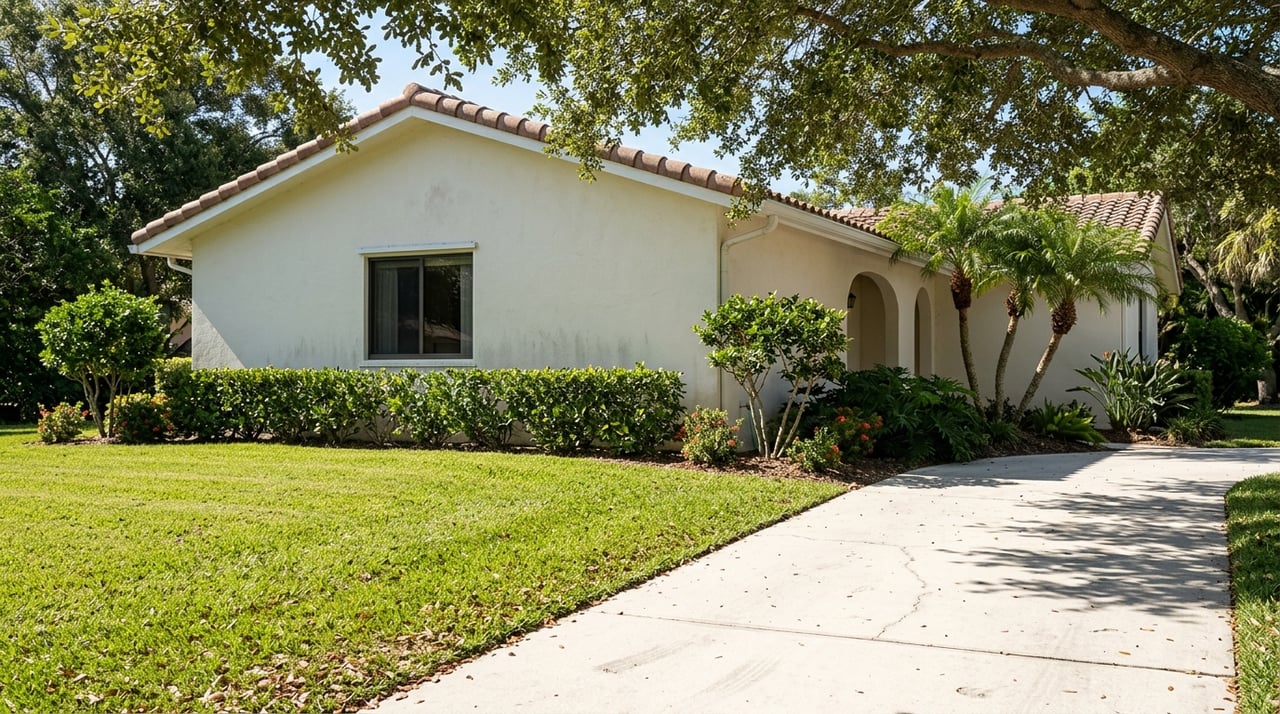
Pinecrest has a distinctly residential identity. The village’s own planning goals emphasize preserving the streetscape, minimizing commercial impacts, and protecting educational institutions, which helps explain why the area feels more low-density and home-focused than many other parts of Miami-Dade.
In simple terms, Pinecrest is known for space, greenery, and a calmer pace. Official village materials also highlight landscaping, open space, and Florida-Friendly yards, which contribute to the lush, garden-style look many people associate with the community. You can explore that vision in the village’s strategic plan.
Pinecrest by the numbers
Pinecrest is established, stable, and primarily residential. According to the U.S. Census QuickFacts for Pinecrest, the village has an estimated 18,981 residents across 7.45 square miles of land area, with a population density of 2,467.9 people per square mile.
The same Census data shows an 82.8% owner-occupied housing rate, a median owner-occupied home value of $1,406,400, and a median household income of $206,417. It also notes that 92.8% of residents lived in the same house one year earlier, which points to a stable residential base rather than a highly transient one.
For buyers, that usually means you are shopping in a market where many homeowners stay put and where housing decisions often center on long-term lifestyle fit. If you want a neighborhood with an established feel, Pinecrest checks that box.
Space and lot sizes matter here
One of the biggest reasons buyers consider Pinecrest is the sense of room. Village planning language and local identity consistently point back to larger lots, open space, and residential character.
That does not mean every property is the same, but it does mean the overall pattern is different from denser, more mixed-use areas. If your wish list includes a more spacious homesite, mature trees, and a setting that feels more tucked away, Pinecrest often appeals for exactly those reasons.
Greenery is part of daily life
In Pinecrest, landscaping is not just decoration. It is part of the village’s identity. The community promotes native plants and Florida-Friendly yards, which helps reinforce the leafy, well-established character that many buyers notice right away.
That greenery also shapes how the area feels from street to street. Instead of a highly built-up environment, you are more likely to notice canopies, planted yards, and open areas that soften the everyday routine.
Parks support an outdoor lifestyle
Pinecrest’s park system adds a lot to its day-to-day appeal. These are not just destination spaces for occasional visits. Based on the features offered, they support regular routines like walking, sports, playtime, and dog outings.
A few key examples include:
- Pinecrest Gardens, a 14-acre botanical garden with lush landscaping and arts, education, and environmental programming that attracts more than 140,000 visitors each year
- Evelyn Greer Park, a 10-acre park with sports fields, batting cages, a shaded playground, a walking and jogging track, exercise stations, and a gazebo with Wi-Fi
- Coral Pine Park, a 9-acre park with mature trees, a pineland preserve, tennis and pickleball courts, a multipurpose field, and a shaded playground
- Suniland Park, a 10-acre park with baseball and football fields, basketball courts, a playground, batting cages, and a Wi-Fi gazebo
- Pawcrest Park, the village’s only off-leash dog park with separate areas for large and small dogs
For many buyers, this park network helps Pinecrest feel practical, not just pretty. You have options for exercise, outdoor breaks, and community routines built into the village.
Walking and biking options are better than many expect
Pinecrest is still a suburban community, and many residents rely on driving. At the same time, the village offers useful walking and biking infrastructure that adds flexibility to everyday life.
One standout is Red Road Linear Park, a 2.5-mile lighted walking and bicycle path along the Snapper Creek Canal. It includes rest areas and added landscaping, making it a practical option for both recreation and routine movement.
The village also notes progress on the Kendall Drive Shared Use Path, designed to connect SW 67 Avenue to Red Road with an 8-foot path for two-way pedestrian and bicycle traffic. Along with the local road network, that supports a more connected feel than some buyers expect in a lower-density setting.
Getting around Pinecrest
Pinecrest is anchored by major routes that matter in daily life. The main road network includes Pinecrest Parkway, also known as US 1, plus Red Road and Kendall Drive. Those corridors help connect residents to the wider Miami-Dade area while keeping Pinecrest itself largely residential.
For transit, Pinecrest offers something many suburban buyers do not anticipate. The free Pinecrest People Mover connects neighborhoods and schools and can transfer riders to Metrobus.
Regionally, Metro Express BRT serves Pinecrest seven days a week with stations that include Dadeland South Metrorail Station. From there, Metrorail’s Green Line runs from Palmetto to Dadeland South. That means you can have a quieter residential setting while still keeping regional transit within reach.
According to Census data, Pinecrest’s mean commute time is 27.6 minutes. For many buyers, that suggests a community where car travel remains important, but transit and bike or walk options still add value.
A stable community with diverse households
Pinecrest combines an established residential base with cultural and linguistic diversity. Census data shows that 28.3% of residents are under 18, the average household size is 3.03, and 72.4% of adults age 25 and over hold a bachelor’s degree or higher.
The same source also reports that 48.7% of residents identify as Hispanic or Latino and 61.6% of people age 5 and older speak a language other than English at home. For Miami-Dade buyers, that can make Pinecrest feel aligned with the broader multicultural character of the region while still offering a more spacious suburban setting.
Schools are part of the village layout
For buyers who want to understand how the village is organized, school access is an important part of the picture. Pinecrest’s website includes a schools section with links to Pinecrest Elementary, Palmetto Elementary, Howard Drive Elementary, Palmetto Middle, and Miami Palmetto Senior High.
Village and district information also place several of these campuses directly within Pinecrest, including Pinecrest Elementary at 10250 SW 57 Avenue, Palmetto Middle at 7351 SW 128 Street, and Miami Palmetto Senior High at 7460 SW 118 Street. Just as important, the Pinecrest People Mover includes separate middle school and high school schedules, which makes school connectivity part of the village’s daily rhythm.
Who Pinecrest may fit best
Pinecrest tends to appeal to buyers who value lifestyle as much as square footage. If you are comparing suburban Miami-Dade options, this village may be a strong match if you are looking for:
- A more residential, lower-density setting
- Larger lots and a greener streetscape
- Parks that support everyday routines
- Access to US 1, Red Road, and Kendall Drive
- Local transit support plus connections to regional transit
- A stable, established community feel
It may be especially appealing if you want room to spread out without feeling disconnected from the rest of the county.
The bottom line on living in Pinecrest
Pinecrest offers a specific kind of Miami-Dade lifestyle. It is not about high-rise living or a dense, mixed-use environment. Instead, the village stands out for space, landscaping, open-air routines, and quiet residential streets, while still keeping key roads, parks, and transit connections close by.
If that balance sounds like what you want, Pinecrest is worth a closer look. And if you want local guidance on buying or selling in the area, Adrian Gonzalez can help you evaluate Pinecrest with the kind of hands-on, neighborhood-focused insight that makes your next move clearer.
FAQs
What is Pinecrest, Florida known for?
- Pinecrest is known for its residential character, larger lots, mature landscaping, open space, and a quieter suburban feel within Miami-Dade County.
What is the housing market like in Pinecrest?
- Pinecrest is primarily owner-occupied, with an 82.8% owner-occupied housing rate and a median owner-occupied home value of $1,406,400, according to U.S. Census data.
What parks and outdoor spaces are in Pinecrest?
- Pinecrest includes Pinecrest Gardens, Evelyn Greer Park, Coral Pine Park, Suniland Park, Red Road Linear Park, and Pawcrest Park, offering options for walking, sports, playgrounds, and dog exercise.
How do you get around Pinecrest?
- Pinecrest is served by US 1, Red Road, and Kendall Drive, and it also offers the free Pinecrest People Mover, Metrobus connections, Metro Express BRT service, and access to Dadeland South Metrorail.
Does Pinecrest have a quiet residential feel?
- Yes. Official village planning documents emphasize preserving residential quality of life, protecting the streetscape, and minimizing commercial impacts, which supports Pinecrest’s quieter character.
Is Pinecrest a stable community for long-term living?
- Census data suggests stability, with 92.8% of residents living in the same home one year earlier and a high owner-occupancy rate.