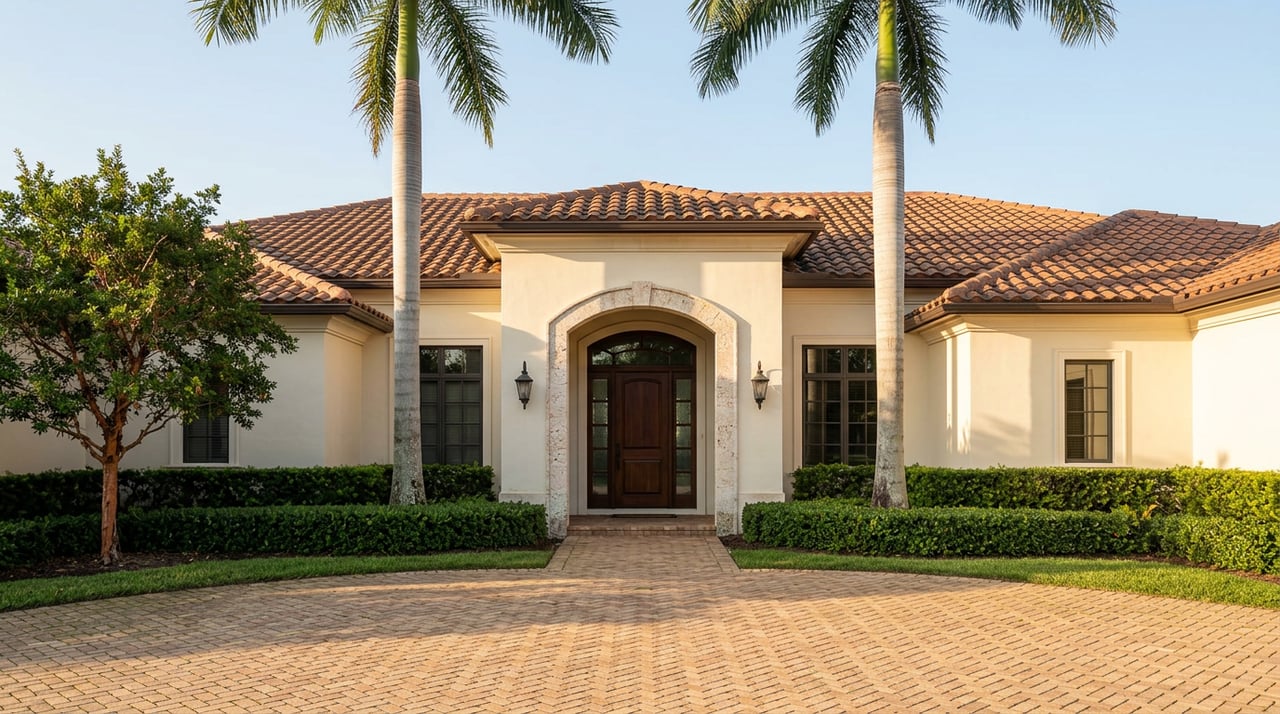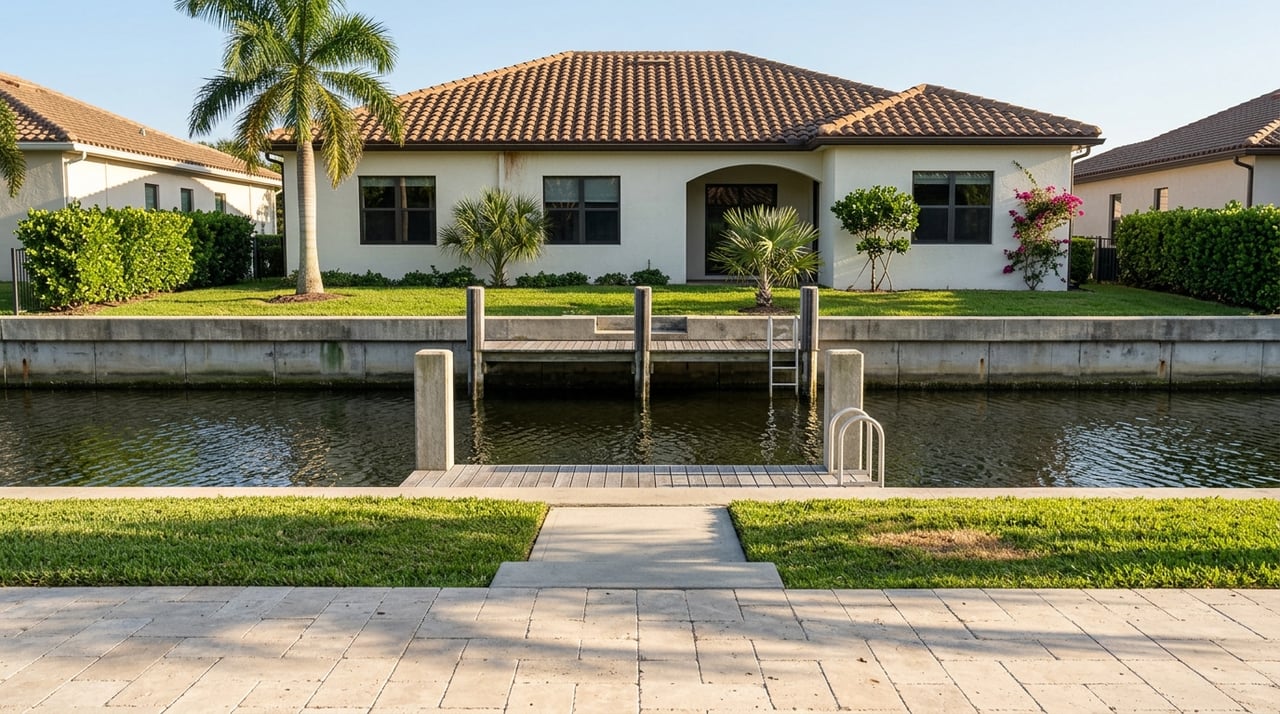
Thinking about waking up to water views in Coral Gables? It sounds idyllic, but waterfront living here comes with a very specific set of tradeoffs that many buyers do not fully see until they start touring homes. If you are planning a move, it helps to understand how Coral Gables waterfront life actually works, what to verify before you buy, and how it compares with interior parts of the city. Let’s dive in.
Coral Gables waterfront living is different
When many buyers picture waterfront living, they imagine a marina district, a boardwalk, or a cluster of condos around a harbor. In Coral Gables, the experience is usually more residential and canal-based. The city has more than 42 miles of scenic shoreline, and the waterfront lifestyle is spread across canals, shorelines, and bay-access areas rather than centered in one single district.
That matters because two homes can both be called “waterfront” while offering very different day-to-day experiences. One property may have canal frontage with private boating considerations, while another may simply sit near the water without the same access or infrastructure. In Coral Gables, the details of the lot, canal, basin, and route to open water matter a lot.
City materials reference basin areas such as Snapper Creek, Riviera, Pine Bay, Kings Bay, Sunset, and Hammock Lakes. That gives you a sense of how dispersed waterfront living is here. Instead of one unified waterfront zone, you are looking at a network of neighborhood-scale water access points and residential shoreline settings.
What daily life on the water feels like
Waterfront living in Coral Gables often feels quieter and more residential than buyers expect. Much of the appeal comes from canal views, private docks, shoreline settings, and proximity to bay access rather than a dense entertainment district. If you want a home-centered lifestyle with water as part of your backdrop, that can be a strong fit.
At the same time, living on the water can mean a different rhythm than living closer to the urban core. Your home may offer privacy, boating access, or a more tucked-away setting, but your errands, dining, and transit options may not be as immediately convenient as they are downtown. For many buyers, this is less about right or wrong and more about choosing the lifestyle that matches your priorities.
Boating access is not one-size-fits-all
If you own a boat or plan to buy one, this is one of the most important parts of your search. In Coral Gables, access to open water depends on the route through the canal system, and bridge clearance can vary a lot. That means you should never assume a waterfront property works for your vessel just because it has a dock or sits on a canal.
The city lists some bridge clearances as low as 7 feet at Prado Boulevard and Pisano Avenue. Other listed clearances include 7.5 feet at Bird Road, Blue Road, and Ponce de Leon Boulevard, 8 feet at Granada Boulevard and US-1, 15 feet at Old Cutler Road, and 21 feet at Isla Dorada Boulevard. For buyers, this means mast height, bridge clearance, draft, and route logistics should be checked before making an offer.
A practical way to think about it is this: the home and the boat need to fit each other. A beautiful waterfront property may still be a poor match if your route out is restricted by low bridges. If you use a trailer, launch access also matters.
Matheson Hammock helps define local boating culture
While Coral Gables waterfront living is mostly residential, Matheson Hammock Park & Marina is a major public boating anchor in the area. Miami-Dade County identifies it as the county’s first park and home to its second-largest county-operated marina. The marina includes about 330 vessel spaces, 11 boat-launch ramp lanes, wet slips, dry storage, a fuel dock, pump-out facilities, a bait-and-tackle shop, and an on-site marine patrol station.
That setup supports more than just large-boat owners. The park also supports kayaking, paddleboarding, and kiteboarding, which reflects the wider water culture in and around Coral Gables. So even if you are not planning to keep a larger boat at home, you may still enjoy being near a location that supports frequent access to the water.
Waterfront homes come with more due diligence
A waterfront purchase usually needs a deeper review than an interior home. You are not only evaluating the house itself. You are also evaluating the shoreline, water access, infrastructure, flood considerations, and any improvements that may affect how you use the property.
Before you move forward, make sure you ask questions such as:
- Is the property truly canal-front or simply near the water?
- What is the route to open water from this address?
- What are the bridge clearances along that route?
- Is there an existing dock or mooring, and was it properly permitted?
- What is the condition and age of the seawall or shoreline edge?
- What flood zone is the property in?
- Are drainage, sewer, or utility conditions likely to affect future renovations?
These are not small details. They can affect cost, convenience, insurance, and whether the home supports the lifestyle you want.
Flood risk should be reviewed early
Flood risk is a central issue for waterfront buyers in Coral Gables. The city states that it is particularly susceptible to flooding because it sits near sea level and is surrounded by the Atlantic Ocean, Biscayne Bay, the Miami River, lakes, and canals. That makes flood review a basic part of smart home shopping here, not an optional extra step.
The city also states that standard hazard insurance does not cover flood damage. It notes that flood insurance is required for federally regulated mortgages in flood zones, and that new flood policies typically have a 30-day waiting period. If you are comparing properties, it is wise to review flood-hazard mapping and insurance implications as early as possible.
This can shape both affordability and peace of mind. A home with a strong waterfront setting may still need closer review if flood exposure, drainage concerns, or insurance costs change the numbers for you.
Permits and protected shoreline features matter
If a property has a dock, mooring, wharf, or planned waterfront improvement, permit history is important. The city requires electronic permit drawings for docks, moorings, and wharves, including the proposed location, dimensions across the waterway, and existing mangroves. City guidance also says preliminary approval from Miami-Dade County DERM is required as part of the public works permit process.
Mangroves also need special attention. The city notes that mangroves are protected under Florida law and that most trimming requires a certified mangrove trimmer. For buyers, that means waterfront landscaping and improvement plans may involve more regulation than expected.
If you are buying with renovation in mind, this matters even more. A property that looks simple on the surface may have permitting or environmental constraints that affect timing, budget, and design choices.
Maintenance looks different on the water
Waterfront ownership often includes a more active maintenance mindset. Coral Gables states that it is illegal to dump anything into lakes, canals, or storm drains. The city also recommends native landscape buffers along waterways to help filter runoff and reduce erosion.
This guidance points to a bigger reality of living on the water. Your landscaping, drainage habits, and shoreline upkeep are part of protecting the property and the surrounding waterway. Even routine ownership decisions can carry more weight when your lot connects directly to a canal or shoreline edge.
The city also offers site visits and flooding or drainage advice, which suggests these are common concerns in low-lying areas. As a buyer, that is a reminder to evaluate not only the view but also how the property handles water during heavy rain and high-water conditions.
Utilities and basin conditions can vary
Not every waterfront area functions the same way from an infrastructure standpoint. In Coral Gables’ septic-to-sewer planning materials, basin priorities are tied partly to proximity to surface water and flood risk. Public meeting schedules reference areas including Snapper Creek, Pine Bay and Kings Bay, Sunset, Hammock Lakes, Riviera, and City basins.
For you as a buyer, that means sewer, drainage, and utility status should be checked early. This is especially important if you may renovate later or if you want a clear picture of long-term ownership costs. Infrastructure details may not be the most exciting part of the search, but they can have real financial and practical impact.
Interior Coral Gables offers a different tradeoff
If you are still deciding whether waterfront living is right for you, it helps to compare it with interior Coral Gables. The interior side of the city tends to offer a different daily rhythm built around parks, tree canopy, and walkability. The city says Coral Gables has more than 60 parks and open spaces, and its sustainability materials note more than 38,000 trees and 32 consecutive years as a Tree City USA community.
Downtown areas like Miracle Mile and Giralda Plaza offer wide sidewalks, outdoor cafés, tree-lined streets, restaurants, and coffee shops. The Coral Gables Trolley is free Monday through Saturday, averages more than 1 million passengers per year, and connects with Metrorail and Metrobus. The city also added a free Saturday Downtown Express route linking South Gables and the University of Miami to Miracle Mile and Giralda Plaza.
In simple terms, interior neighborhoods often trade private water access for easier access to dining, parks, and transit. If your goal is a more walkable, errand-friendly lifestyle, that may matter more than a canal-front lot. If your goal is privacy, boating, and a home-centered waterfront setting, the canal areas may be the better fit.
How to decide if waterfront living fits you
The best Coral Gables move is the one that fits how you actually live. Waterfront homes can offer a special setting, but they usually ask for more research and more ongoing attention. You want to be sure the property supports your boat, your budget, your risk comfort, and your daily routine.
As you compare options, focus on the questions that affect real life:
- Do you want private water access or easier walkability?
- Will you boat often enough to justify canal-front costs and upkeep?
- Are you comfortable reviewing flood, drainage, and permit details closely?
- Would a home near parks, dining, and trolley access better match your routine?
When you answer those honestly, your path usually becomes clearer. In Coral Gables, waterfront living can be exceptional, but it works best when you go in with clear expectations and strong local guidance.
If you are weighing waterfront options against interior neighborhoods, a local, detail-focused search can save you time and help you avoid expensive surprises. For tailored guidance on Coral Gables homes and lifestyle fit, connect with Adrian Gonzalez.
FAQs
What does waterfront living in Coral Gables usually mean?
- In Coral Gables, waterfront living is typically canal-and-shoreline living spread across residential areas, rather than one central marina or boardwalk district.
What should boat owners check before buying a Coral Gables waterfront home?
- You should verify the route to open water, bridge clearances, boat draft or mast height, and launch logistics before you buy.
What flood issues should buyers review for Coral Gables waterfront homes?
- You should check the property’s flood zone, review flood-hazard mapping, understand that standard hazard insurance does not cover flood damage, and account for possible flood insurance requirements and waiting periods.
What permits matter for Coral Gables docks and waterfront improvements?
- Docks, moorings, and wharves require permit review, and city guidance says preliminary approval from Miami-Dade County DERM is part of the public works permit process.
How is interior Coral Gables different from waterfront areas?
- Interior Coral Gables generally offers more immediate access to parks, dining, walkable downtown areas, and free trolley service, while waterfront areas tend to focus more on residential water access and home-centered living.
What maintenance habits matter for Coral Gables canal-front homes?
- Buyers should pay close attention to drainage, erosion, runoff control, and waterway rules, including the city’s prohibition on dumping into lakes, canals, or storm drains.