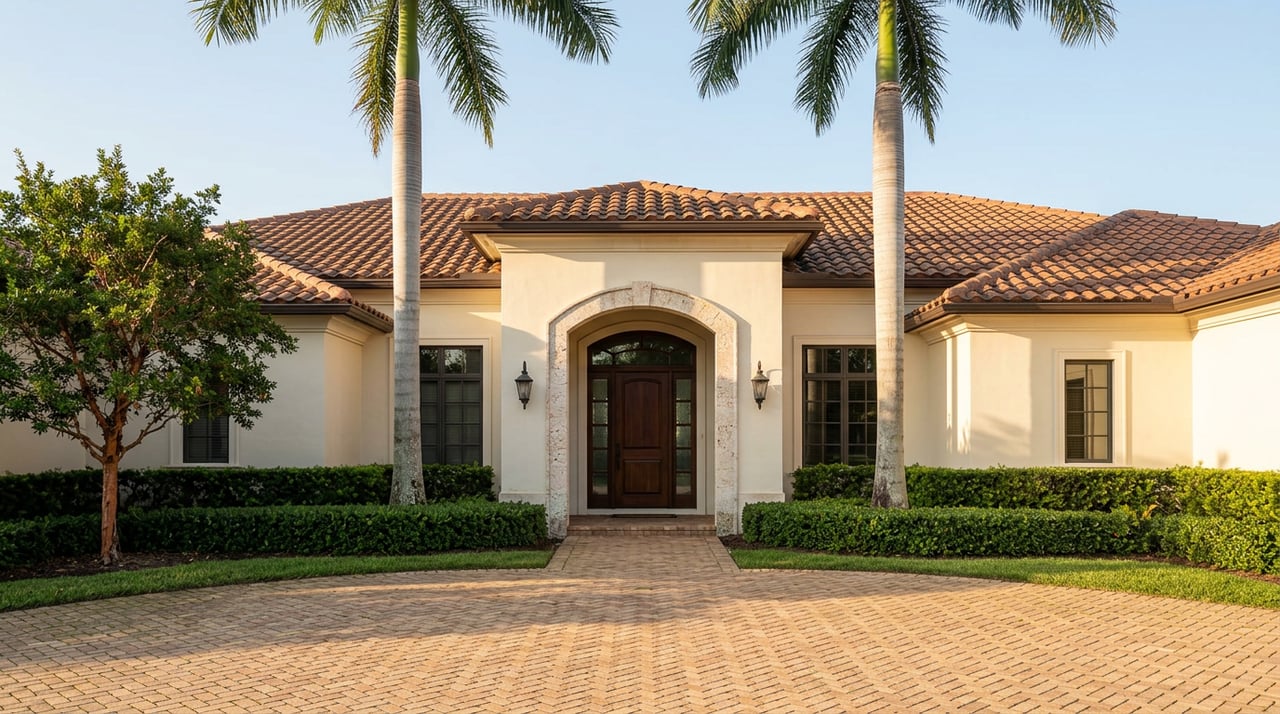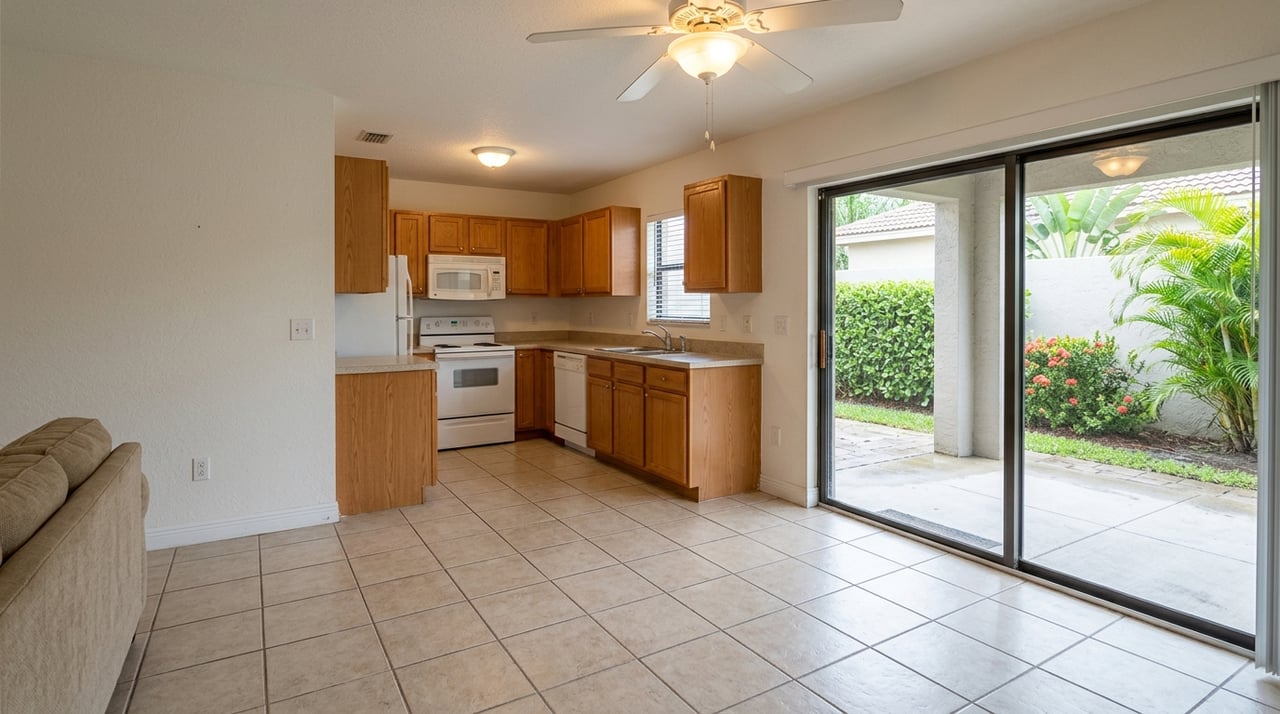
Wondering whether now is the right time to make your next move in Coral Gables? If you already own a home and you are thinking about moving up, today’s market can feel like a mix of opportunity and pressure. The good news is that many local owners have meaningful equity, but the numbers on your next purchase matter just as much. This guide will help you make sense of pricing, timing, financing, and tax planning so you can move with more confidence. Let’s dive in.
What today’s Coral Gables market looks like
Coral Gables remains a premium market, but it is not moving at a frantic pace. Realtor.com’s May 2026 data shows 488 homes for sale, a median listing price of $2.1 million, 78 days on market, and a 96% sale-to-list ratio. That points to a balanced market rather than one where every home disappears overnight.
Zillow’s May 31, 2026 update tells a similar story. It reports a typical home value of $1,544,097, 326 homes for sale, a median sale-to-list ratio of 0.953, and homes going pending in about 59 days. Zillow also reported a median sale price of $1,442,500 for April 2026.
For move-up buyers, the biggest takeaway is simple: the market is active, but you still need a plan. You may have time to prepare, but not enough time to wing a sale and purchase at the same time.
Why property type matters
Not every Coral Gables segment is behaving the same way. Miami REALTORS data shows that the single-family and condo or townhouse markets have different inventory levels and different negotiation conditions.
In the latest annual Coral Gables single-family report, the median sale price was $2.25 million, with 164 active listings and 5.4 months of supply. In the Q1 2026 Coral Gables condo and townhouse report, the median sale price was $575,250, with 146 active listings and 7.6 months of supply.
That difference matters if you are selling one type of property and buying another. If you are moving from a condo into a single-family home, you may be selling in a segment with more supply while buying in a segment with tighter conditions. That can change how aggressively you need to price, how early you need financing lined up, and how carefully you need to coordinate timing.
Your equity may be strong, but your payment may change
For many long-time owners, equity is one of the biggest advantages in a move-up purchase. Miami REALTORS’ Q1 2026 housing-wealth report says Miami-Dade single-family buyers who purchased in 2011 Q1 typically had $589,400 in home equity after 15 years, while condo and townhome buyers had $365,300. For Coral Gables single-family owners who bought 15 years ago, appreciation alone was about $1.4 million.
That kind of equity can create real buying power. It may help with your down payment, reduce your loan amount, or give you flexibility when competing for a desirable home.
Still, equity alone does not decide whether a move makes sense. Your next monthly payment may look very different once you factor in today’s mortgage rates, updated property taxes, insurance, and any HOA costs.
Financing is still a key part of the puzzle
Mortgage rates remain high enough to affect move-up decisions. Freddie Mac reported a 6.47% average for a 30-year fixed-rate mortgage and 5.81% for a 15-year fixed-rate mortgage as of June 18, 2026.
In practical terms, that means your replacement home can cost more each month even if you bring substantial equity to the table. If you currently own a home with a much lower rate, the jump in borrowing costs can feel significant.
This is also a cash-heavy market. In May 2026, 38.7% of Miami closed sales were cash, including 49.7% of condo sales and 27.8% of single-family sales. If you are financing your purchase, a strong pre-approval and clean offer terms can make a real difference.
Florida tax rules can change the math
One of the most important parts of a move-up decision in Florida is understanding what happens to your homestead benefits. Florida’s Department of Revenue says you cannot transfer the homestead exemption itself to a new property. However, eligible owners may transfer all or part of their Save Our Homes assessment difference to a new homestead.
The same source says the DR-501T and DR-501 forms are due to the county property appraiser by March 1 of the first year after moving. That deadline matters if you want to preserve available tax benefits.
Save Our Homes can be especially important for owners who have stayed in their current home for years. The cap limits annual assessment increases on homesteaded property to the lower of 3% or the Consumer Price Index, and Florida’s January 2026 brochure lists the 2026 cap at 2.7%.
What does that mean for you? Your current home may have a tax assessment that is far below current market value, while your next purchase could be assessed much closer to market value. Even with portability, your future property tax bill may rise more than expected if you do not estimate it in advance.
Use Miami-Dade tools before you make an offer
Before you write an offer on your next home, it helps to run the numbers using local tools. The Miami-Dade Property Appraiser provides resources such as property search, comparable sales, a property tax estimator, a tax comparison tool, TRIM notices, and online homestead and portability applications.
These tools can help you look beyond the listing price. You can compare likely taxes, review past assessments, and build a more realistic estimate of your monthly ownership costs.
For move-up buyers, this step is not optional. A home that looks affordable at first glance can feel very different once taxes and insurance are added in.
Condo move-up buyers need extra due diligence
If your next purchase is a condo, your planning may need to go deeper. Miami REALTORS notes that only 0.9% of South Florida condo buildings are approved for FHA loans.
That does not mean condo purchases are off the table. It does mean financing options and building review may require more lead time, more paperwork, and more attention to detail.
If you are choosing between a condo and a single-family home, this is one more factor to weigh. Single-family homes may have tighter supply in Coral Gables, while condos may bring more financing review and building-level due diligence.
Three ways to time a move-up purchase
Most move-up buyers in Coral Gables fall into one of three timing strategies: sell first, buy first, or coordinate both closings closely.
Sell first
Selling first can reduce financial pressure because you know your net proceeds before buying. This approach can also make it easier to set a firm budget and avoid carrying two housing payments at once.
The tradeoff is that you may need temporary housing or a backup plan if your next purchase does not line up perfectly. In a market where homes are going pending in roughly 59 to 78 days, that gap can happen.
Buy first
Buying first gives you more control over your next home search. You can move on your own timeline and avoid the stress of finding a replacement home after your current property goes under contract.
The risk is carrying too much at once. Before choosing this path, you will want to understand how much payment pressure your household can absorb if your current home does not sell immediately.
Coordinate both closings
This option aims for the cleanest transition, but it requires the most planning. You need a clear pricing strategy for your current home, strong purchase financing, and realistic expectations about how long each side of the transaction may take.
In a balanced market like Coral Gables, coordination is possible, but it still takes preparation. The more moving parts you have, the more important it becomes to map out each step early.
A smart move-up checklist
Before you start touring homes, focus on the numbers that will shape your decision.
- Estimated net sale proceeds after mortgage payoff and closing costs
- Save Our Homes portability estimate
- Target monthly payment for the next home
- Updated property tax estimate
- Insurance estimate
- HOA impact if you are buying a condo or townhouse
- Backup housing plan if closing dates do not line up
- Strong pre-approval if you will finance the purchase
This checklist can help turn a vague idea into a workable plan. It can also help you spot gaps early, before you commit to a purchase that stretches your comfort zone.
What move-up buyers should remember now
The Coral Gables market still offers opportunity for owners who are ready to trade up, especially if you have built equity over time. At the same time, today’s rates, taxes, insurance costs, and property-type differences mean that a bigger home does not automatically equal a better financial fit.
The best move-up decisions usually come from preparation, not speed. When you understand your likely sale proceeds, estimate your next tax bill, and choose the right timing strategy, you put yourself in a much stronger position.
If you are thinking about your next move in Coral Gables, Adrian Gonzalez can help you build a clear, local plan with personalized guidance every step of the way.
FAQs
What does a balanced Coral Gables market mean for move-up buyers?
- A balanced market generally means you may have room to plan and negotiate, but you still need to act strategically because well-positioned homes can move in about 59 to 78 days.
How much equity do Coral Gables move-up buyers often have?
- Miami REALTORS reported that Coral Gables single-family owners who bought 15 years ago had about $1.4 million in appreciation alone, though your actual equity depends on your mortgage balance and selling costs.
How do Florida homestead rules affect a move-up purchase?
- Florida allows eligible owners to transfer all or part of their Save Our Homes assessment difference to a new homestead, but not the homestead exemption itself, and required forms are due by March 1 of the first year after moving.
Why is moving from a condo to a single-family home in Coral Gables different?
- Condo and townhouse inventory has been higher than single-family inventory in Coral Gables, so you may face different pricing and negotiation conditions when selling one property type and buying another.
What should Coral Gables buyers check before making an offer on the next home?
- You should review estimated net sale proceeds, portability, future taxes, insurance, HOA costs if applicable, and financing strength so your move-up budget reflects the full monthly cost.